




Exploring how cultural perceptions shape attitudes towards gambling
The Historical Context of Gambling
The history of gambling is as old as civilization itself, tracing back to ancient societies that incorporated chance and risk into their cultural practices. In many early cultures, games of chance were tied closely to religious beliefs, often seen as a way to divine the will of the gods. For example, the ancient Romans and Greeks engaged in lotteries and dice games, which were often conducted during festivals. These early examples reveal that gambling was not merely a pastime, but rather an integral part of social and cultural identity.

As societies evolved, so did the perception of gambling. The Middle Ages in Europe saw gambling viewed with suspicion, often associated with sin and moral decay. This cultural shift was influenced by the rise of the Christian Church, which condemned gambling as a vice. In contrast, other cultures, such as the Chinese, embraced gambling as a social activity, leading to the development of various games that remain popular today. This divergence illustrates how cultural narratives can shape the moral landscape surrounding gambling. justbet-australia.com
In modern times, the cultural perception of gambling continues to vary significantly across different regions. In countries like Australia and the United States, gambling has been integrated into mainstream entertainment, with casinos and sports betting widely accepted. However, in many parts of Asia and the Middle East, gambling remains illegal or heavily regulated, reflecting deep-rooted beliefs about morality and vice. This historical perspective is essential for understanding how cultural perceptions shape attitudes toward gambling today.
Cultural Norms and Values Surrounding Gambling
Cultural norms play a pivotal role in shaping attitudes toward gambling, influencing not only the legality of gambling activities but also the societal acceptance of gambling behaviors. In cultures where community and family values are prioritized, gambling may be frowned upon or seen as a threat to social cohesion. In contrast, cultures that value individualism may view gambling as a personal choice, leading to a more relaxed attitude toward its practice. For instance, in the United States, gambling is often viewed as a form of entertainment, whereas in many Middle Eastern cultures, it is strictly prohibited.
The values associated with gambling can also differ dramatically within a single country. For example, within the United States, there are states where gambling is celebrated, such as Nevada, while others maintain strict prohibitions. This contrast illustrates how regional cultural identities influence public perception and legislative frameworks concerning gambling activities. Moreover, these differences can be linked to economic factors, as areas with fewer economic opportunities might view gambling as a potential escape or means to financial gain.
Additionally, the representation of gambling in media and popular culture further shapes societal attitudes. Movies, television shows, and advertisements often glamorize the lifestyle associated with gambling, presenting it as exciting and glamorous. Such representations can lead to a normalization of gambling in cultures where it was previously stigmatized, ultimately influencing public opinion and behavior around gambling practices.
The Role of Religion in Gambling Attitudes
Religion plays a significant role in shaping cultural perceptions of gambling, often dictating moral and ethical stances on the practice. Many religions view gambling as a vice, associating it with greed and a lack of self-control. For instance, in Christianity and Islam, gambling is generally condemned, leading to a cultural landscape where gambling is seen as sinful. This viewpoint has historically influenced laws and social norms, resulting in restrictions on gambling activities in many religiously conservative societies.
Conversely, some religions offer a more permissive approach to gambling. In certain Buddhist cultures, for instance, gambling is often seen as a form of entertainment rather than a moral failing. This acceptance allows for a more integrated view of gambling within society, reflecting a different set of values that prioritizes leisure and enjoyment. The interplay between these religious perspectives creates a complex landscape, influencing how communities navigate the issue of gambling.
The tension between religious beliefs and the growing normalization of gambling in modern society raises questions about the future of gambling as a cultural practice. As secular attitudes become more prevalent, traditional religious views may face challenges, leading to shifts in societal norms. This dynamic highlights the ongoing negotiation of values and beliefs in relation to gambling, as cultures evolve and adapt to changing circumstances.
Economic Factors Influencing Gambling Perceptions
Economic conditions significantly influence cultural perceptions and attitudes towards gambling. In regions where economic opportunities are scarce, gambling may be seen as a viable means of financial improvement, leading to a more accepting view of gambling practices. For instance, in developing countries, lotteries and informal betting may provide not only entertainment but also a hope for economic relief, shaping a culture that embraces such activities as part of daily life.
Conversely, in wealthier nations, the perception of gambling can shift to a leisure activity enjoyed by those with disposable income. This economic lens often normalizes gambling as a part of entertainment, integrating it into broader consumer culture. The impact of this normalization can be seen in the proliferation of casinos and online gaming platforms, which offer diverse gambling options to a wide audience.
Additionally, the economic implications of gambling extend beyond individual attitudes to include broader societal perceptions. Governments may promote gambling as a means of economic growth, particularly through tourism and job creation. This creates a complex relationship where gambling is simultaneously embraced for its economic benefits while still being scrutinized for its potential social costs, reflecting a multifaceted approach to understanding gambling within various cultures.
JustBet Australia: A Cultural Case Study
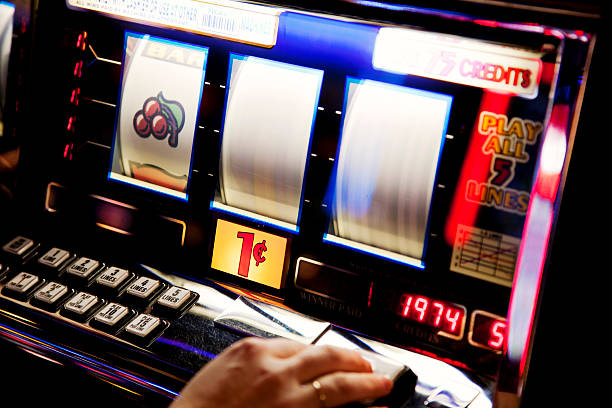
JustBet Australia serves as an illustrative example of how cultural perceptions shape attitudes towards gambling in contemporary society. Designed specifically for Australian players, the platform offers a vast array of games, including pokies, live dealer options, and sports betting, reflecting the country’s evolving relationship with gambling. The acceptance of online gambling in Australia highlights a cultural shift where gambling is increasingly seen as a legitimate form of entertainment and social interaction.
The user-friendly interface and generous welcome bonuses offered by JustBet cater to a diverse audience, further normalizing the practice of online gambling. Such platforms provide not just entertainment but also create a community among players, reflecting the cultural acceptance of gambling as part of leisure activities. Additionally, the site prioritizes responsible gambling practices, acknowledging the need for a balance between enjoyment and potential risks.
By examining JustBet Australia, we can see how cultural perceptions influence the development and acceptance of online gambling platforms. As gambling continues to evolve in response to social, economic, and cultural factors, sites like JustBet are at the forefront of this transformation, offering insights into how modern gambling practices are shaped by the prevailing cultural attitudes of the time. This case study encapsulates the ongoing dialogue surrounding gambling and its place within society, illustrating the interplay of culture and commerce in the modern age.